Harvest Moon and Its Impact on Bright Nights and Current Weather Trends
As the seasons shift and the nights grow longer, the celestial dance of the moon captures our attention like never before. Recently, search interest in the term “harvest moon” has surged to an all-time high in the United States, coinciding with a spike in queries about why the moon appears so bright tonight. This phenomenon is not just a beautiful sight; it also reflects our collective curiosity about the natural world.
In addition to the moon's allure, weather-related searches have also seen a dramatic increase. The recent uptick in interest surrounding “hurricane tropical storm” and “coastal flood advisory” in South Carolina highlights the urgent need for awareness and preparedness in the face of changing weather patterns. Meanwhile, the scientific community is buzzing with excitement as physicist John Clarke has emerged as the top-trending Nobel Prize winner, followed closely by John M. Martinis.
To add to the mix, global search interest in “Everest blizzard” has reached unprecedented levels, with “hikers rescue” also peaking at a five-year high. This blog post will explore these fascinating trends, their implications, and how they intertwine with our understanding of nature and science.
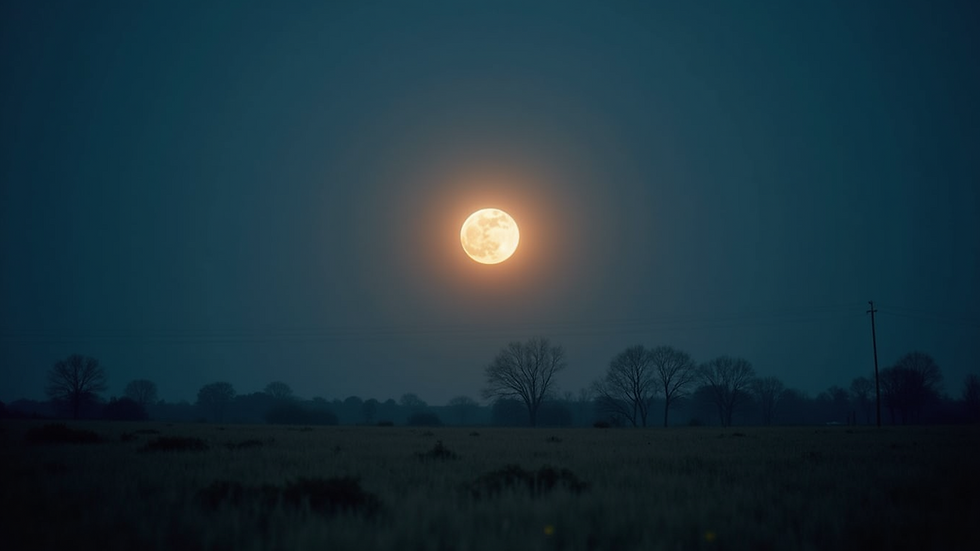
The Harvest Moon: A Celestial Wonder
The harvest moon, which occurs in September or October, is the full moon closest to the autumnal equinox. Traditionally, this moon provided farmers with extra light to harvest their crops, hence its name. This year, the harvest moon has captured the imagination of many, leading to a surge in online searches.
But what makes this moon so special? The harvest moon rises earlier and shines brighter than other full moons, creating a stunning spectacle in the night sky. Its golden hue and larger-than-life appearance have inspired countless stories, songs, and artworks throughout history.
As people gaze up at the harvest moon, they often find themselves wondering why it seems so bright tonight. The answer lies in a combination of atmospheric conditions and the moon's position relative to the Earth. When the moon is low on the horizon, it appears larger and more luminous due to the way our atmosphere scatters light.
This year, the harvest moon has not only sparked interest in its beauty but has also prompted discussions about the science behind lunar phenomena.

Weather Trends: A Call for Awareness
While the harvest moon enchants us, the weather is also making headlines. In the past day, search interest in “hurricane tropical storm” has surged, particularly in South Carolina, where residents are on high alert due to a coastal flood advisory.
Hurricanes and tropical storms are becoming increasingly common, and their impacts can be devastating. As climate change continues to alter weather patterns, it is crucial for communities to stay informed and prepared. The rise in searches indicates a growing awareness among the public about the importance of monitoring weather conditions and understanding the risks associated with severe storms.
In South Carolina, where coastal flooding can lead to significant damage, residents are urged to stay updated on local advisories and take necessary precautions. This heightened interest in weather-related topics reflects a broader trend of individuals seeking knowledge and resources to navigate the challenges posed by our changing climate.
The Scientific Community Shines
Amidst the celestial and meteorological phenomena, the scientific community is also experiencing a moment in the spotlight. Physicist John Clarke has emerged as the top-trending Nobel Prize winner in recent searches, followed closely by John M. Martinis.
Clarke's groundbreaking work in the field of physics has garnered attention for its potential to revolutionize our understanding of quantum mechanics and its applications. As people search for information about these esteemed scientists, it highlights the public's growing interest in science and innovation.
The Nobel Prize serves as a reminder of the importance of scientific inquiry and the impact it has on our daily lives. As we marvel at the harvest moon and navigate the complexities of weather patterns, it is essential to recognize the role that science plays in helping us understand and adapt to our world.
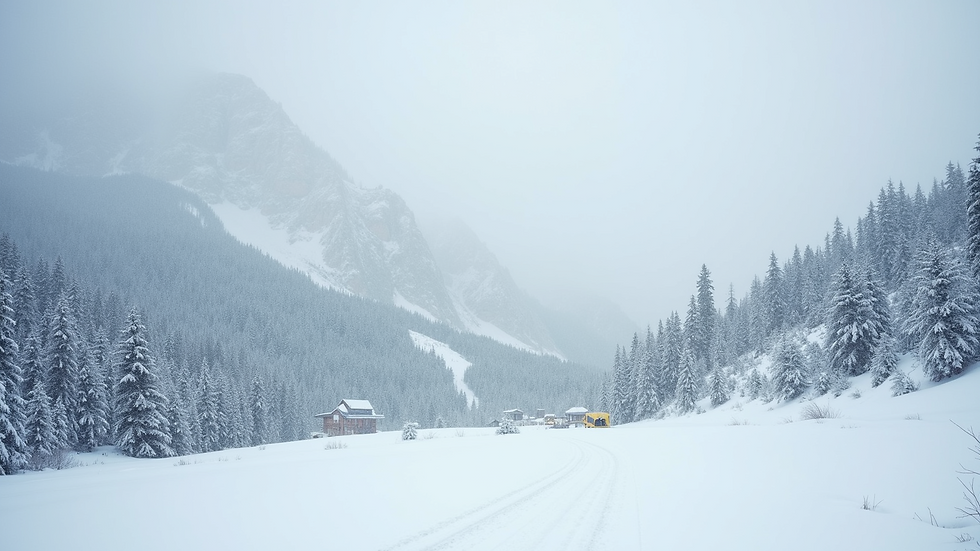
The Everest Blizzard and Hiker Rescues
In addition to the lunar and weather phenomena, global search interest in “Everest blizzard” has reached an all-time high. This surge in interest is likely linked to recent events on the mountain, where climbers have faced treacherous conditions.
The dangers of climbing Everest are well-documented, and blizzards can pose significant risks to hikers. The increase in searches for “hikers rescue” indicates a heightened awareness of the challenges faced by those attempting to summit the world's highest peak.
As more people embark on adventurous pursuits, it is crucial to prioritize safety and preparedness. Understanding the risks associated with extreme weather conditions can help climbers make informed decisions and ensure their well-being.
Conclusion
The recent surge in search interest surrounding the harvest moon, weather patterns, and scientific achievements reflects our collective curiosity and desire for knowledge. As we gaze up at the bright moon and navigate the complexities of our environment, it is essential to stay informed and engaged with the world around us.
Whether it's appreciating the beauty of the harvest moon, preparing for severe weather, or celebrating scientific advancements, these trends remind us of the interconnectedness of nature, science, and our daily lives. So, the next time you find yourself asking, “Why is the moon so bright tonight?” remember that it’s not just a question about the moon; it’s an invitation to explore the wonders of our universe.


Comments