Iran War Tensions Rise as US Plane Declares Emergency and Lands Safely Near Qatar
Tensions in the Middle East have escalated following an emergency declared by a US military plane near Qatar. The Pentagon confirmed the incident, which ended with the aircraft landing safely. This event adds a new layer of complexity to the already strained relations between the United States and Iran, raising concerns about potential conflict in the region.
The Incident: What Happened?
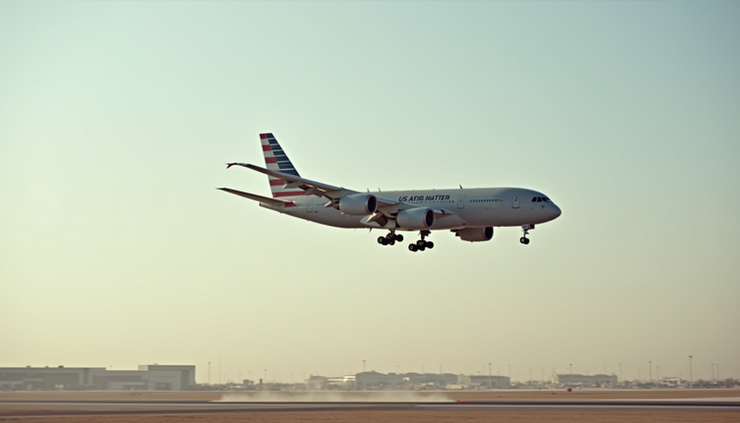
On a recent flight near Qatar, a US military aircraft declared an emergency and requested immediate landing clearance. The Pentagon quickly responded, coordinating with regional air traffic control to ensure the plane’s safe arrival. Fortunately, the plane landed without injury to crew or damage to the aircraft.
While details about the cause of the emergency remain limited, officials have ruled out hostile action or mechanical failure related to external interference. The Pentagon emphasized that the incident was handled with priority and professionalism, avoiding any escalation.
This emergency landing occurred amid heightened military activity and diplomatic tensions in the Persian Gulf, where US forces maintain a significant presence to monitor Iranian actions.
Regional Context: Rising Tensions Between the US and Iran
The US and Iran have experienced a series of confrontations over the past years, including sanctions, proxy conflicts, and naval standoffs. The recent emergency landing near Qatar comes at a time when both countries are engaged in intense diplomatic and military posturing.
Several factors contribute to the fragile situation:
Nuclear Program Concerns: Iran’s nuclear ambitions continue to worry the US and its allies, leading to renewed sanctions and diplomatic efforts.
Military Presence: The US maintains bases and naval forces in the Gulf region, which Iran views as a threat to its sovereignty.
Proxy Conflicts: Both nations support opposing groups in countries like Yemen and Syria, fueling regional instability.
Diplomatic Talks: Attempts to revive the Iran nuclear deal have stalled, increasing uncertainty.
The emergency landing incident, while not directly linked to conflict, highlights the risks of operating in such a volatile environment.
Implications for Regional Security
The safe landing of the US plane prevented a potential crisis, but the event underscores the fragile security situation in the Gulf. Military aircraft flying near sensitive areas face risks from technical issues, miscommunication, or hostile actions.
This incident may prompt several responses:
Increased Vigilance: Both US and regional forces may heighten alert levels to prevent accidents or misunderstandings.
Diplomatic Pressure: The US might use the event to push for renewed talks or to justify a stronger military posture.
Public Messaging: Both sides could use the incident to influence domestic and international opinion.
The situation remains fluid, and any misstep could escalate tensions further.

What This Means for International Relations
The emergency landing near Qatar is a reminder of how quickly situations can change in geopolitically sensitive regions. For international actors, it signals the need for careful navigation of the US-Iran relationship.
Countries involved in Middle Eastern diplomacy will watch closely for signs of escalation or de-escalation. The incident may influence:
US Foreign Policy: Decisions on military deployments and sanctions.
Iran’s Strategy: Responses to perceived US pressure.
Allied Nations: Coordination among Gulf states and Western allies.
The event also highlights the importance of communication channels to manage emergencies and avoid misunderstandings that could lead to conflict.
Looking Ahead: What to Watch For
Observers should monitor several developments in the coming weeks:
Official investigations into the emergency landing’s cause.
Statements from US and Iranian officials regarding the incident.
Changes in military activity or deployments in the Gulf region.
Progress or setbacks in diplomatic negotiations over Iran’s nuclear program.
Reactions from Gulf Cooperation Council (GCC) countries and other regional players.
Understanding these factors will help gauge whether tensions will ease or intensify.


Comments