Sierra Nevada Cheese Recall and E coli O26 H11 Risk What Consumers Need to Know
A cheese recall can feel easy to miss, especially when the product is already in the refrigerator, sliced for snacks, or served at a family meal. The recent Sierra Nevada Cheese Company recall is different from a routine quality notice. It involves raw milk cheese products and a suspected multi-state outbreak of Shiga toxin-producing E. coli O26:H11, a strain that can cause serious illness.
The company has recalled affected raw milk cheese products while health officials investigate possible links to reported illnesses. Public health agencies have identified illnesses in more than one state, including California and Nevada, and state lists can change as investigators interview patients and test food samples.
This article is for general information only. Anyone with symptoms after eating a recalled product should contact a health care professional.

What the Sierra Nevada Cheese recall covers
Sierra Nevada Cheese Company, based in California, has recalled raw milk cheese products because of concerns that they may be linked to illnesses caused by E. coli O26:H11. The recall applies to the company’s raw milk cheese products identified in the official recall notice, including raw milk cheeses sold under the Sierra Nevada Cheese Company name.
Raw milk cheese is made from milk that has not been pasteurized before cheesemaking. Federal rules allow certain raw milk cheeses to be sold if they meet aging and production requirements, but raw milk products still carry a higher foodborne illness risk than products made from pasteurized milk. Aging can reduce some risks, but it does not guarantee that harmful bacteria are absent.
Consumers should not rely on appearance, smell, or taste to decide whether a cheese is safe. E. coli contamination does not always change the way a food looks or tastes.
When checking for recalled products, look closely at:
The brand name
The product name
The package size
The lot code
The best-by, sell-by, or use-by date
Any store label if the cheese was cut, wrapped, or repackaged at retail
Some cheeses may have been sold in original packaging. Others may have been cut and wrapped by a grocery store or specialty market. That can make identification harder. If a store label does not clearly show the original manufacturer, contact the store where the cheese was purchased.
The safest approach is simple. If the product matches the recall, or if there is any doubt, do not eat it.
Why E coli O26 H11 is a serious concern
E. coli is a large group of bacteria. Many strains live harmlessly in the intestines of people and animals. Some strains, though, can make people very sick. E. coli O26:H11 is part of a group often called Shiga toxin-producing E. coli, or STEC.
That name matters because Shiga toxin can damage the lining of the intestine and, in some cases, affect the kidneys. Illness can range from mild stomach upset to severe disease that needs hospital care.
Common symptoms may include:
Strong stomach cramps
Diarrhea, sometimes bloody
Vomiting
Nausea
Fever, often low grade or absent
Fatigue and dehydration
Symptoms often begin a few days after exposure, but the timing can vary. Some people may feel sick quickly. Others may not develop symptoms until later in the week.
The most serious complication linked with STEC infections is hemolytic uremic syndrome, often shortened to HUS. HUS can lead to kidney injury and can be life-threatening. It is more likely to affect young children and older adults, but it can occur in otherwise healthy people.
People at higher risk of severe illness include:
Children under 5
Adults 65 and older
Pregnant people
People with weakened immune systems
Anyone with chronic kidney disease or serious underlying illness
People should seek medical care right away for bloody diarrhea, signs of dehydration, severe abdominal pain, or diarrhea lasting more than a few days. Medical advice is especially important for children, older adults, and anyone in a higher-risk group.
Do not use anti-diarrheal medicine unless a health care professional recommends it. With suspected STEC infections, some medicines may increase the risk of complications. Antibiotics are also not always recommended for STEC, so testing and medical guidance matter.
Where illnesses have been reported
The recall is tied to a suspected multi-state outbreak investigation. Public health reports have identified illnesses in California and Nevada, and investigators may update the list of affected states as they receive lab results and interview more people.
Outbreak investigations take time. Health officials often compare bacterial fingerprints from patient samples with samples from food, production environments, or unopened packages. They also review where people shopped, what they ate, and whether multiple patients report the same product.
That process can lead to changes in public notices. A recall may expand to include more lot codes, dates, stores, or products. The list of states may also grow if new cases are found.
For that reason, consumers should treat the Sierra Nevada Cheese Recall and E coli O26 H11 Risk What Consumers Need to Know as a developing food safety issue, not a one-time headline.
State and federal agencies commonly work together in these situations, including local health departments, state agriculture or health agencies, the U.S. Food and Drug Administration, and the Centers for Disease Control and Prevention when a multi-state outbreak is under review.
What to do if you bought the recalled cheese
If you have Sierra Nevada Cheese Company raw milk cheese at home, take a few careful steps before serving or throwing anything away. The goal is to prevent illness and avoid spreading bacteria to hands, surfaces, knives, cutting boards, or other foods.
Check the product information
Compare the package with the official recall notice. Look for the brand, product name, lot number, and date code. If the cheese was repackaged by a store, call the store and ask whether the product came from Sierra Nevada Cheese Company and whether it is part of the recall.
If the store cannot confirm that it is safe, do not eat it.
Do not taste it
A small bite is not a safe test. Foods contaminated with E. coli may look normal and smell fine. Dispose of the recalled cheese or return it to the place of purchase if the recall notice allows returns.
Seal and discard it safely
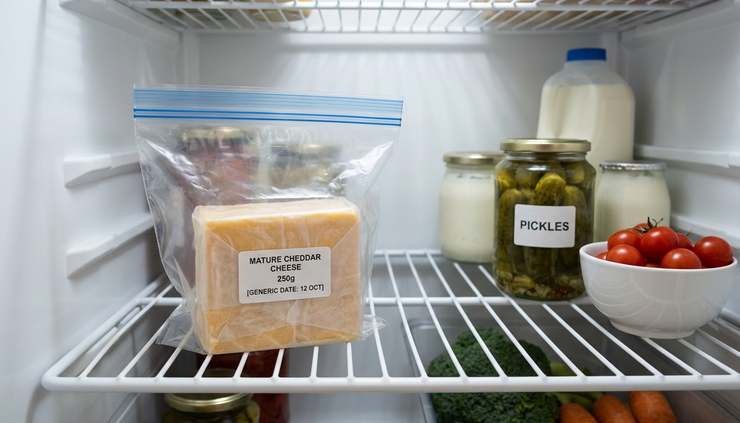
Before throwing it away, place the cheese in a sealed bag or container. This helps keep children, pets, or others from retrieving it from the trash.
If local guidance or the company’s notice gives specific return or disposal instructions, follow those instructions.
Clean surfaces and utensils
Wash anything that may have touched the cheese, including:
Knives
Cutting boards
Plates
Refrigerator drawers or shelves
Countertops
Reusable containers
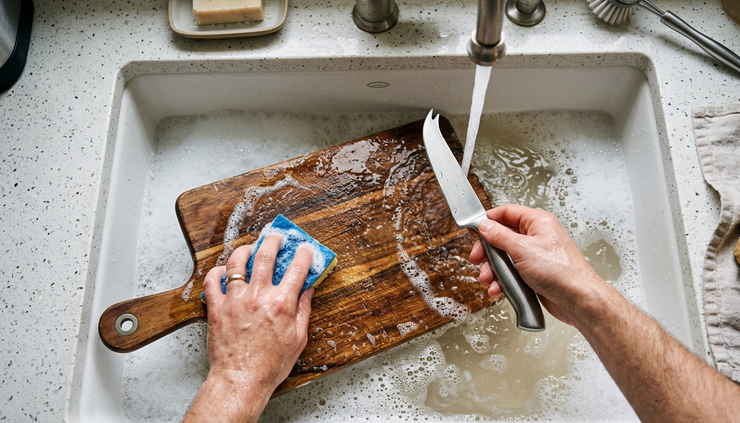
Use hot, soapy water first. Then sanitize hard surfaces. A dishwasher sanitizing cycle can help for dishwasher-safe items.
Wash hands well
Wash hands with soap and running water for at least 20 seconds after handling the cheese, packaging, trash, or surfaces that may have touched the product.
Hand sanitizer can help when soap and water are not available, but it should not replace proper handwashing after handling a recalled food.
Watch for symptoms
Anyone who ate the recalled cheese should watch for symptoms of E. coli infection. If symptoms appear, contact a health care professional and mention the recalled cheese exposure.
If possible, keep the product packaging or take a photo of the label before disposing of it. Product details can help health officials trace the source of contamination.
How Sierra Nevada Cheese Company is responding
In a food recall tied to a suspected outbreak, companies are expected to remove affected products from the market, notify distributors and retailers, and work with regulators to identify where the product went. Sierra Nevada Cheese Company has been responding to the recall and cooperating with health authorities as the investigation continues.
That cooperation can include:
Reviewing production and sanitation records
Tracing the source of raw milk and ingredients
Identifying distribution channels
Notifying stores and distributors
Supporting product removal from shelves
Providing samples, labels, and lot information to investigators
Recall investigations often involve both finished products and the production environment. Investigators may look at milk handling, aging rooms, equipment, employee hygiene practices, temperature controls, and sanitation procedures.
A company recall does not always mean investigators have finished identifying the exact cause. Many recalls happen while testing and traceback work are still underway. That is why consumers should pay attention to updates, even after they have checked their refrigerator once.
Retailers also have a role. Stores that sold the recalled cheese should remove it from shelves and may post notices near cheese cases or customer service areas. In some cases, loyalty card records help stores notify customers who purchased a recalled product.
Why raw milk cheese requires extra awareness
Raw milk products have a devoted following, and many people value them for flavor and traditional cheesemaking. Still, raw milk can carry harmful bacteria from animals, farm environments, milking equipment, or handling steps before cheesemaking begins.
Pasteurization uses heat to reduce dangerous pathogens while keeping dairy usable for food production. Raw milk skips that kill step. Cheesemaking controls such as aging, acidity, salt, and moisture management can reduce risk, but they are not the same as pasteurization.
This recall is a reminder that food safety does not end at the farm or factory. Safe handling continues through transportation, retail display, home storage, and meal preparation.
For consumers who buy specialty cheeses, a few habits help:
Save receipts for perishable foods, especially specialty products
Keep cheese labels until the product is finished
Store cheese at safe refrigerator temperatures
Use clean knives and boards
Separate ready-to-eat foods from raw foods
Check recall notices before serving food to high-risk guests
Food recalls can feel inconvenient, but they exist to prevent illness. The faster consumers respond, the more likely they are to avoid exposure.

Staying aware of recalls protects more than one household
Many recalled foods are shared. Cheese may be placed on a party board, packed in a lunchbox, served to children, or offered to older relatives. That makes recall awareness a community safety issue, not just a personal shopping concern.
If you learn that you bought a recalled raw milk cheese, tell anyone who may have eaten it. If you brought it to a gathering, contact the host. That conversation may feel uncomfortable, but it can help someone seek care sooner if symptoms develop.
Food safety alerts move through several channels, including government recall pages, company statements, grocery store notices, local health departments, and news reports. Checking more than one source can help when product names or lot codes are confusing.
The key takeaway is direct: if you have recalled Sierra Nevada Cheese Company raw milk cheese, do not eat it. Check the label, follow disposal or return guidance, clean any surfaces it touched, and watch for symptoms. Recalls work best when people act quickly, share accurate information, and treat foodborne illness risks with care.


Comments