Unveiling the Secrets of Tsunamis and Flooding What You Need to Know to Stay Safe
Tsunamis and flooding are two natural phenomena that can occur suddenly and with devastating consequences. Recent spikes in online searches indicate a heightened interest in these events, particularly with regard to safety measures and understanding their impact. As we navigate through this crucial topic, we'll explore what you need to know about tsunamis, flooding, and the safety protocols to protect yourself and your loved ones.
Understanding Tsunamis
Tsunamis are large ocean waves caused by underwater disturbances, most commonly earthquakes. A significant event can trigger a series of waves known as a tsunami. It's important to note that tsunami waves can travel at speeds of up to 500 miles per hour in deep water, making it critical to understand the distinctions between tsunami watches, warnings, and advisories.
A tsunami watch means that a tsunami may occur, but no imminent threat is present. In contrast, a tsunami warning signifies that a tsunami is approaching and immediate action is required. Following a warning, a tsunami advisory provides information about potential flooding regions.
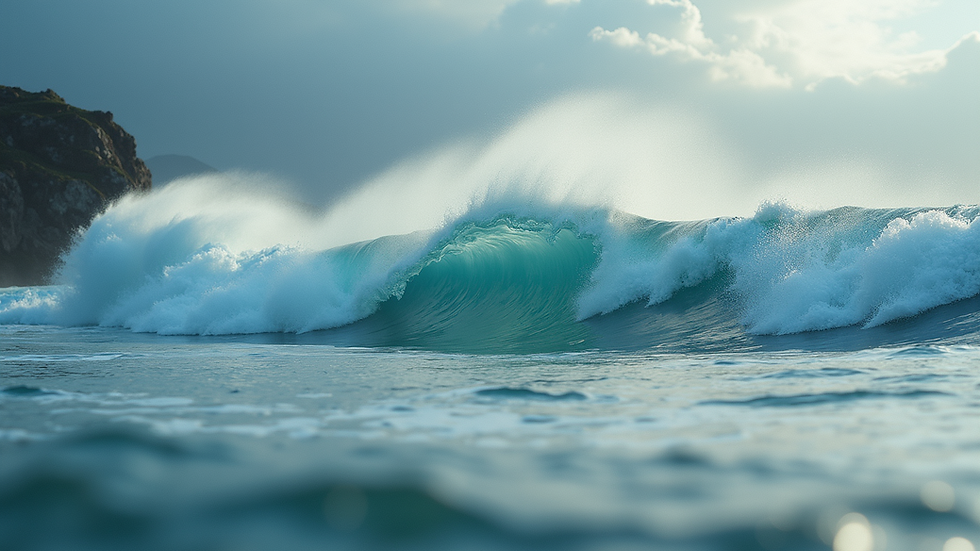
The height of tsunami waves can vary significantly, often reaching over 100 feet during severe events. For those near coastlines, knowing how tall these waves can become is essential, especially if you live in a coastal area prone to seismic activity.
Recent Trends and Concerns
In the past day, we’ve witnessed a significant spike in searches concerning safety in relation to tsunamis and flooding. Queries like “is it safe to go to the beach right now?” and “is it safe to travel to Hawaii right now?” show that many are looking for immediate information and reassurance regarding their safety.
With Hawaii being a common destination for tourists, it’s crucial to stay informed when natural events occur in this region. The spikes in searches about “what time is it in Hawaii” and “how much is 3 meters in feet” indicate that people are figuring out details to stay ahead of any potential risks.
It’s essential to be aware of the local tsunami warning systems. With advances in technology, these systems are designed to provide timely alerts to residents and visitors alike, helping everyone to take necessary precautions.
Flooding: The Silent Threat
While tsunamis are dramatic and quickly recognized, flooding can sometimes be a more insidious threat. Flooding can result from heavy rain, snowmelt, or the failure of water management systems. The force and impact of flooding can be just as devastating as a tsunami, often leading to significant damage to property and loss of life.
It's vital to understand the differences between flash floods and long-term flooding to prepare adequately. A flash flood can happen suddenly, usually within six hours of heavy rainfall, while other flooding can take days to develop.

Moreover, with climate change contributing to more extreme weather patterns, the frequency of flooding events may increase. Staying informed about local weather conditions is crucial, especially for those in flood-prone areas.
Safety Precautions: Your Lifeline
When it comes to safety during a tsunami or flooding, knowing what to do can save lives. Here are some essential safety precautions to consider:
Know Your Area’s Warning System: Familiarize yourself with local warning systems for tsunamis and floods. Sign up for alerts via text messages or utilize apps that provide real-time updates.
Identify Evacuation Routes: Be aware of the quickest way to evacuate your home or area. Identify higher ground that is less likely to be affected during a tsunami.
Emergency Supply Kit: Prepare an emergency kit that includes essentials like water, non-perishable food, medications, flashlight, and important documents.
Stay Informed: Regularly check local news outlets, weather apps, and the National Weather Service for current conditions and alerts.
Educate Others: If you have family or friends living in affected areas, share information with them about safety measures and remind them of the risks associated with tsunamis and flooding.
Practice Drills: Conduct regular safety drills to ensure that everyone knows how to respond in the event of a tsunami or flood.
Conclusion
Tsunamis and flooding are powerful forces of nature that demand our respect and preparation. By understanding the differences between tsunami watches, warnings, and advisories, as well as recognizing the risks associated with flooding, we can better prepare ourselves for emergencies.
As search trends continue to reveal questions and concerns about safety measures in these situations, it’s vital to stay informed and take proactive steps to protect yourself and your loved ones. Knowledge is power—equipping yourself with information can make all the difference in times of crisis.

Stay safe, stay informed, and remember that preparation is key!


Comments