Exploring the Role of the Board of Peace in Gaza's Reconstruction Efforts
- Feb 6
- 4 min read
The reconstruction of Gaza has become a pressing global issue as the region faces immense challenges following years of conflict and destruction. Recently, a new diplomatic initiative called the "Board of Peace" has emerged, involving several nations including Qatar and Saudi Arabia. This board aims to coordinate and support the rebuilding of Gaza’s infrastructure and economy. Yet, the initiative has sparked controversy because Palestinians currently have no official representation in the process. This raises important questions about the legitimacy and fairness of the reconstruction efforts.

What is the Board of Peace?
The Board of Peace is a newly formed coalition of countries that have come together to address the urgent need for rebuilding Gaza. The group includes influential players from the Middle East, such as Qatar and Saudi Arabia, as well as other international partners. Their goal is to pool resources, expertise, and political influence to accelerate reconstruction projects. These projects focus on restoring housing, healthcare facilities, schools, and essential infrastructure like water and electricity.
The board’s formation reflects a recognition that Gaza’s recovery requires coordinated international support beyond humanitarian aid. By creating a structured platform, the board hopes to avoid fragmented efforts and ensure that funds and materials reach the areas most in need.
The Controversy Surrounding Palestinian Representation
One of the most debated aspects of the Board of Peace is the absence of official Palestinian representatives in the decision-making process. Palestinians, who are the direct stakeholders, have not been granted a formal seat at the table. This exclusion has led to widespread criticism from various quarters, including Palestinian leaders, civil society groups, and international observers.
Critics argue that without Palestinian involvement, the reconstruction plan risks overlooking the needs and priorities of the people it is meant to serve. It also raises concerns about the "rules-based order" in international diplomacy, where affected communities should have a voice in decisions impacting their future.
This controversy highlights a broader challenge in peacebuilding and reconstruction efforts: balancing geopolitical interests with local agency. The legitimacy of the Board of Peace depends heavily on how it addresses this gap and whether it can build trust with Palestinian communities.
How the Board of Peace Could Impact Gaza’s Future
Despite the controversy, the Board of Peace has the potential to bring significant benefits to Gaza if managed inclusively and transparently. Here are some ways the board could influence the region’s recovery:
Coordinated Funding
By uniting donor countries, the board can reduce duplication and ensure that funds are allocated efficiently. This can speed up rebuilding efforts and improve the quality of projects.
Infrastructure Development
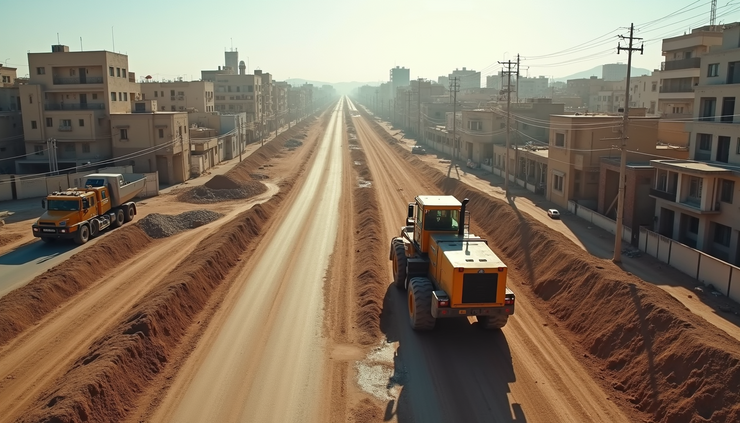
Large-scale infrastructure projects require technical expertise and long-term planning. The board’s international members can provide the necessary support to rebuild roads, power grids, and water systems.
Economic Revitalization
Reconstruction is not just about buildings; it’s about restoring livelihoods. The board can help create job opportunities by supporting small businesses and encouraging investment in Gaza’s economy.
Political Stability
A successful reconstruction effort could contribute to greater stability in Gaza by addressing some root causes of conflict, such as poverty and lack of basic services.
Challenges the Board of Peace Must Overcome
The board faces several hurdles that could affect its success:
Lack of Palestinian Inclusion
Without Palestinian voices, the board risks alienating the very people it aims to help. Building mechanisms for meaningful Palestinian participation is essential.
Political Tensions
The Middle East’s complex political landscape means that cooperation among board members may be fragile. Conflicting interests could slow down decision-making.
Security Concerns
Ongoing security issues in Gaza could disrupt reconstruction projects and deter investment.
Transparency and Accountability
Ensuring that funds are used properly and projects meet community needs requires strong oversight. The board must establish clear reporting and monitoring systems.
Examples of Reconstruction Efforts and Lessons Learned
Looking at past reconstruction efforts in conflict zones can offer useful insights. For example, after the 2004 tsunami, international coordination helped rebuild parts of Indonesia, but lack of local input sometimes led to mismatched priorities. Similarly, in post-war Bosnia, reconstruction succeeded where local communities were actively involved in planning.
These examples show that successful rebuilding depends on:
Engaging local stakeholders
Clear communication and transparency
Long-term commitment beyond immediate relief
The Board of Peace can apply these lessons to avoid common pitfalls and build a foundation for sustainable recovery in Gaza.

Moving Forward: What Needs to Happen Next
For the Board of Peace to fulfill its promise, several steps are crucial:
Include Palestinian Representatives
Creating a formal role for Palestinian leaders and civil society in the board’s decision-making will improve legitimacy and effectiveness.
Focus on Community Needs
Reconstruction plans should be based on thorough assessments of what Gaza’s residents need most.
Build Trust Through Transparency
Regular updates and open communication can help build confidence among Palestinians and the international community.
Coordinate with Existing Organizations
Working alongside UN agencies and local NGOs can enhance the board’s reach and impact.
The reconstruction of Gaza is a complex challenge that requires cooperation, respect, and a shared commitment to peace. The Board of Peace represents a hopeful step, but its success depends on how well it listens to and includes the people of Gaza.


Comments