Georgia Early Voting Starts October 13 Polling Hours Locations and What to Bring
Early voting gives Georgia voters more than one shot at fitting voting into real life. Work schedules change. Child care falls through. Lines can stretch longer than expected. Weather can turn. Starting Tuesday, October 13, Georgians can begin casting ballots before Election Day at designated early voting sites across the state.
The main thing to know is simple: early voting is handled by county election offices, so the exact location and schedule depend on the county where a voter is registered. That means planning ahead matters. A 10-minute check before heading out can save a wasted trip, especially if a voter assumes their regular Election Day precinct is also an early voting site.
This guide covers where to vote early in Georgia, when sites are typically open, what to bring, and why voting early can make a meaningful difference for turnout.
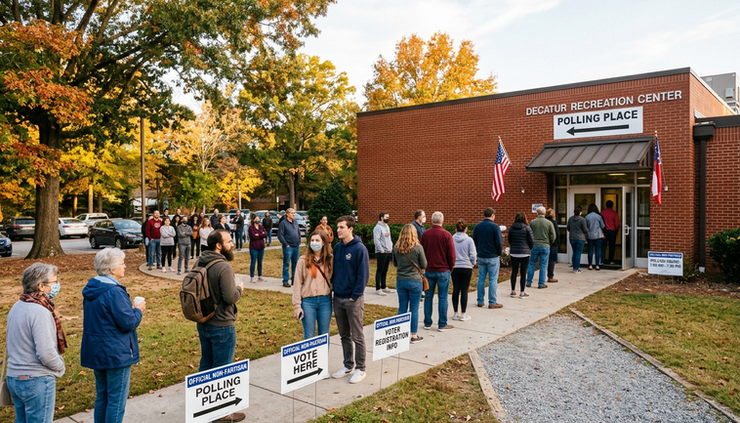
Early voting in Georgia begins Tuesday, October 13
Georgia calls early in-person voting advance voting, but most people still refer to it as early voting. It allows registered voters to cast a ballot before Election Day at approved locations in their county.
The key date is Tuesday, October 13. That is when early voting opens for this election period. From that point through the close of the advance voting window, voters can go to an approved site, check in, receive a ballot, and vote in person.
A few details matter:
Early voting is county-based
Voters must use an early voting location in the county where they are registered.
Early voting sites may differ from Election Day precincts
A school, church, library, elections office, community center, or recreation center may serve as an early voting site, even if it is not the voter’s normal precinct.
Hours can vary by county and by location
Some sites may open during standard business hours. Others may offer extended evening or weekend hours. A county may also operate more than one early voting site with different schedules.
The ballot is the same
Voting early does not change the races or measures on the ballot. It simply changes when the voter casts it.
Georgia early voting starts October 13, but voters should confirm the location and schedule before leaving home. County election offices are the best source for local details, especially if hours change or a site reaches capacity.
How to find polling locations and hours
The fastest way to avoid confusion is to check the county elections page or Georgia’s voter information tools before going to vote. Early voting is not the same as showing up at any polling place in the state. A voter registered in Cobb County, for example, cannot vote early at a Fulton County site. A voter registered in Chatham County must use a Chatham County early voting location.
In most counties, early voting sites are listed with:
What to check | Why it matters |
Site name and address | Early voting may happen at a county office, library, civic center, or other public location. |
Dates available | Not every site is open for the full early voting period. |
Daily hours | Opening and closing times can vary by day. |
Weekend availability | Some counties offer Saturday or Sunday voting, while others have fewer weekend options. |
Parking and transit access | Planning transportation ahead can make the trip easier. |
Accessibility information | Voters can look for curbside voting, accessible entrances, and equipment for voters with disabilities. |
A good rule is to check the listing on the same day you plan to vote. Election offices may update hours, add notices, or clarify which entrances voters should use.
Polling locations for early voting are often set up in familiar public places. Common examples include county elections offices, libraries, recreation centers, municipal buildings, and community centers. Larger counties may operate several sites to reduce travel time and help manage lines. Smaller counties may have fewer locations, which makes timing even more important.
Voters should also pay attention to the closing time. If a location closes at 5 p.m., arriving at 5:05 p.m. may mean missing the chance to vote that day. If lines are likely, going earlier in the day can help. Midmorning and midafternoon may be calmer than lunch breaks or the final hour before closing, though wait times can change quickly.
The best early voting plan is specific: know the site, know the hours, know how you will get there, and know what ID you will bring.

What voters need to bring
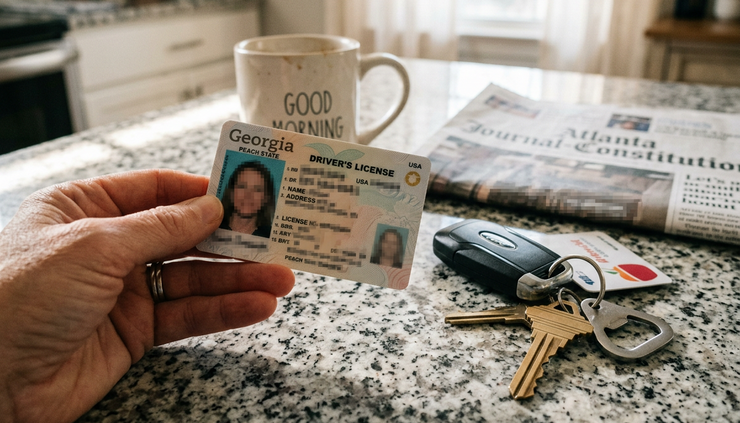
Georgia voters must bring an acceptable form of photo identification when voting in person. That applies to early voting just as it does on Election Day.
Acceptable photo ID generally includes:
A Georgia driver’s license
A valid state or federal government-issued photo ID
A Georgia voter ID card
A United States passport
A United States military photo ID
A tribal photo ID
Voters who do not have one of these should contact their county registrar or elections office before voting. Georgia offers a free voter ID card for eligible voters who need one.
A voter should also consider bringing a few practical items, especially if lines are possible:
A sample ballot or notes
Voters may bring personal notes to help remember choices. This can make the process faster once inside the booth.
A charged phone
Useful for directions, ride coordination, and checking official election information before entering. Voters should follow posted rules about phone use inside the voting area.
Comfortable shoes and weather-ready clothing
Lines may extend outdoors, especially at busy times.
Water or a small snack
A short wait can turn into a longer one. Bring what is needed without creating a mess or distraction.
An absentee ballot if one was already received
A voter who requested and received an absentee ballot but decides to vote in person should bring the absentee ballot when possible. Poll workers can explain the process for canceling it and voting in person.
Voters do not need to bring a voter registration card to vote if they have proper identification, though it can be helpful for reference. They also do not need to prove party preference in a general election. The poll worker will verify registration and issue the correct ballot.
If a voter recently moved, changed names, or is unsure of registration status, checking before October 13 is the safest step. Problems are easier to fix before standing in line.
Why voting early can affect turnout
Early voting does more than offer convenience. It can help more people participate.
When voting is available across multiple days, voters have more room to work around jobs, school schedules, caregiving, transportation issues, and health needs. A person who cannot get away on Election Day may still be able to vote on a Saturday, during a lunch break, or on a day off. That flexibility can make the difference between intending to vote and actually casting a ballot.
Early voting can also reduce pressure on Election Day. When many voters cast ballots ahead of time, Election Day lines may move more smoothly. Poll workers can focus on voters who waited until the final day, and counties can spread activity across a longer period.
There is also a personal benefit. Voting early removes one big task from the calendar. Once the ballot is cast, last-minute conflicts no longer matter. Bad weather, traffic, a sick child, a late shift, or a long line on Election Day cannot stop a vote that has already been counted.
Early voting can be especially useful for:
Hourly workers with limited schedule control
Older voters who prefer daylight travel
Students balancing classes and transportation
Parents and caregivers with unpredictable days
Voters who need accessible equipment or extra time
People who rely on rides from family, friends, or community groups
Every election draws voters with different levels of experience. Some have voted for decades. Others are voting for the first time. Early voting gives people time to ask questions, review sample ballots, and choose a voting time that feels manageable.
The impact spreads beyond one person. When someone votes early and tells a neighbor that the line was short, the parking was easy, or the process took less time than expected, that information can encourage another voter to go. Shared experience reduces uncertainty.
How to make an early voting plan that works
A voting plan does not need to be complicated. It only needs to answer a few practical questions.
Start with the basics:
Confirm registration
Make sure the registration record is active and tied to the correct county.
Find the correct early voting location
Use an official county or state source. Do not rely on an old address, a forwarded message, or a guess.
Check the schedule
Look at the date, opening time, closing time, and whether the site is open on weekends.
Choose a back-up time
If the first plan falls through, a second option keeps voting from slipping off the calendar.
Prepare ID and transportation
Put the ID somewhere easy to grab. Arrange a ride if needed.
Review the ballot
Looking at candidates and measures before arriving can make voting faster and less stressful.
For many people, the hardest part is not making a decision. It is finding the time to act on that decision. Putting early voting on the calendar helps. Treat it like a doctor’s appointment, school event, or work shift. Pick a specific day and time, then protect it.
Families and friend groups can help each other. One person can check hours. Another can offer a ride. A neighbor can pass along official location information. These small steps often matter more than speeches or slogans.
Voters should also respect the voting space. Poll workers have a job to do, and lines move better when everyone follows instructions. Keep campaign materials outside restricted areas. Give other voters privacy. Ask poll workers for help if something is unclear.

Share the experience and help others vote
After voting, sharing the experience can help others feel ready. That does not mean sharing ballot choices or taking photos where they are not allowed. A useful update can be simple:
The location was easy to find.
The line took about a certain amount of time.
Parking was available nearby.
The entrance was accessible.
Poll workers were helpful.
The process moved faster than expected.
Keep privacy and election rules in mind. Do not photograph a completed ballot. Do not post images of other voters without permission. Do not spread rumors about problems without checking official sources. If something seems wrong, contact a poll worker on site or the county elections office.
The most helpful message is often the most practical one: “I voted early today. Here is where I checked the hours, and here is what I brought.”
Early voting starts Tuesday, October 13, and it gives Georgia voters a clear chance to avoid the rush, choose a convenient time, and make sure their voices are heard. Check the correct location, confirm the hours, bring photo ID, and make a plan before heading out.
Then, after casting a ballot, tell others how it went. A calm, clear voting experience can be contagious in the best way.


Comments