Ice Dance vs Figure Skating What's the Difference and Why It Matters
- Jan 30
- 3 min read
Interest in ice dance and figure skating has surged recently, with searches for “ice dance vs figure skating” spiking by 160% in the past month and “ice dancing pairs” rising an impressive 550%. This growing curiosity reflects a wider appreciation for these elegant winter sports, especially as the Olympic season approaches. Understanding the differences between ice dance and figure skating helps fans enjoy the competitions more deeply and appreciate the unique skills each discipline demands.

What Is Figure Skating?
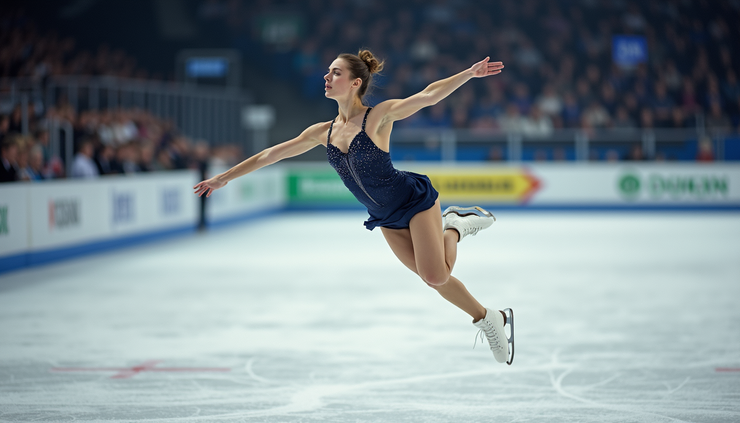
Figure skating is a broad category of ice sport that includes several disciplines: singles (men’s and women’s), pairs, and ice dance. Skaters perform jumps, spins, footwork, and lifts, combining athleticism with artistry. The goal is to execute technically difficult moves with grace and precision while interpreting music.
Key Elements of Figure Skating
Jumps: Skaters perform various jumps such as the Axel, Lutz, and Salchow, often with multiple rotations.
Spins: Spins include upright, sit, and camel spins, showcasing balance and control.
Footwork: Complex steps and turns that demonstrate edge control and flow.
Pairs Skating: Two skaters perform lifts, throw jumps, and synchronized elements.
Figure skating routines often emphasize jumps and athletic moves, with judges scoring technical difficulty and artistic impression.
What Is Ice Dance?
Ice dance focuses on rhythm, interpretation, and precise footwork, closely resembling ballroom dancing on ice. Unlike pairs figure skating, ice dance does not include high jumps or throw jumps. Instead, it highlights the connection between partners and musical interpretation.
Key Elements of Ice Dance
Dance Holds: Partners maintain close physical contact, performing intricate steps and turns.
Rhythm and Timing: Skaters must match the rhythm and character of the music precisely.
Lifts: Lifts are allowed but limited in height and duration compared to pairs skating.
No Jumps or Throws: Ice dance excludes jumps and throw jumps, focusing on dance moves.
Ice dance routines tell a story or express emotions through movement, with judges focusing on timing, expression, and unison.

How Ice Dance and Figure Skating Differ
Understanding the differences between ice dance and figure skating helps clarify why each discipline appeals to different audiences and requires distinct skills.
| Aspect | Figure Skating | Ice Dance |
|----------------------|--------------------------------------|--------------------------------------|
| Jumps and Throws | Includes jumps and throw jumps | No jumps or throw jumps |
| Lifts | High and acrobatic lifts allowed | Low lifts with restrictions |
| Music Interpretation | Artistic but includes athletic moves | Focus on rhythm, timing, and dance |
| Partner Connection | Important but less emphasized | Central to performance |
| Scoring Focus | Technical elements and artistry | Precision, timing, and expression |
The athleticism in figure skating often draws fans who enjoy spectacular jumps and spins. Ice dance attracts those who appreciate storytelling, musicality, and close partner work.
Why the Difference Matters to Fans and Competitors
The recent surge in searches for “ice dance vs figure skating” and “ice dancing pairs” reflects growing interest in these distinctions. Fans who understand the differences can better appreciate the skills and challenges each discipline presents.
For competitors, the training and skills required vary significantly. Figure skaters spend hours perfecting jumps and spins, while ice dancers focus on footwork, timing, and partner coordination. This specialization shapes their careers and competition strategies.
The Olympic Connection and Growing Popularity
The Olympic Games often boost interest in winter sports. Searches for “USA men's hockey Olympic roster” have been the top trending Olympic roster search recently, and “hockey roster” hit a five-year high earlier this year. This trend shows how Olympic rosters and team selections capture public attention.
Similarly, the spotlight on ice dance and figure skating grows as fans follow Olympic athletes. The dramatic routines and emotional performances create memorable moments that inspire new fans and athletes alike.
Final Thoughts
Ice dance and figure skating offer two distinct experiences on the ice. Figure skating thrills with jumps and spins, while ice dance captivates with rhythm and partnership. Knowing these differences enriches your viewing experience and deepens your appreciation for the skill and artistry involved.
Next time you watch a competition, notice the unique qualities of each discipline. Whether you prefer the athletic feats of figure skating or the graceful storytelling of ice dance, both showcase the beauty and excitement of ice sports.


Comments