Why Women Are Choosing Themselves in 2026 for Wellness Confidence and Independence
Women are done treating burnout like a badge of honor.
That’s the shift. In 2026, “choosing yourself” doesn’t mean disappearing from your family, friendships, career, or community. It means refusing to disappear inside them. It means sleep counts. Money counts. Boundaries count. Joy counts. And yes, rest counts before the body forces it.
This new era of women’s wellness is less about perfect routines and more about building a life that feels steady, honest, and self-owned.

Self-care has moved from cute to necessary
Self-care used to get flattened into face masks, bubble baths, and expensive candles. Those things can be lovely. They’re just not the whole story.
In 2026, self-care looks more practical. It’s the doctor’s appointment that finally gets scheduled. It’s leaving a conversation before it turns into a fight. It’s eating lunch instead of running on coffee. It’s saying, “I can’t take that on,” without writing a five-paragraph apology.
The reason is simple. Women have been carrying too much for too long.
Research has repeatedly shown that women often take on more unpaid caregiving and household labor than men, even when they also work outside the home. The pandemic made that imbalance harder to ignore. Many women became caregivers, emotional managers, remote school helpers, and full-time workers at once. That kind of load changes how people think about health.
Self-care now means protecting capacity.
That can include:
Getting enough sleep most nights
Eating in a way that supports energy, not punishment
Moving for strength, mobility, and mood
Setting limits around availability
Making preventive health appointments
Spending time with people who feel safe
Creating space for hobbies that aren’t monetized
The Centers for Disease Control and Prevention recommends adults get at least 7 hours of sleep per night. The CDC also recommends 150 minutes of moderate-intensity physical activity each week, plus muscle-strengthening activity on 2 days. These aren’t luxury goals. They’re basics that support long-term health.
Of course, access matters. Not everyone has the same time, income, health care, or support. That’s why realistic self-care matters more than aesthetic self-care. A 10-minute walk counts. A quiet lunch counts. A boundary counts. A free community clinic visit counts.
The point isn’t to build a flawless wellness routine. The point is to stop living like personal health is optional.
Confidence is becoming quieter and stronger
Confidence in 2026 has a different feel.
It’s less about proving you’re attractive, busy, booked, or impressive. It’s more about being able to live in your own skin without constant negotiation.
That shift matters because women have been sold insecurity for decades. Beauty, diet, fashion, fitness, and anti-aging industries have often profited from the idea that women should always be fixing themselves. Smaller waist. Clearer skin. Younger face. Better hair. Better posture. Better everything.
Now more women are asking a better question.
What if my body doesn’t need to be a project every day?
That doesn’t mean giving up on style, fitness, beauty, or personal care. It means choosing them from pleasure and self-respect instead of panic.
A woman might lift weights because she wants stronger bones, better balance, and more energy. She might wear makeup because she enjoys it. She might stop coloring her hair because she likes the silver. She might dress for comfort without apologizing. She might train for a 5K, take dance classes, or do nothing intense at all.
Confidence gets stronger when it stops depending on outside permission.
This is also why midlife women are having a moment. For years, culture treated aging women like they should shrink themselves. Now, more conversations around perimenopause, menopause, hormone changes, pelvic health, and strength training are moving into the open.
That matters. The more women can talk about their bodies without shame, the easier it becomes to get care, ask questions, and make informed choices.
A quick note: this post is informational only and isn’t medical advice. Health needs are personal, so it’s always smart to talk with a qualified clinician about symptoms, treatment, medications, or major lifestyle changes.
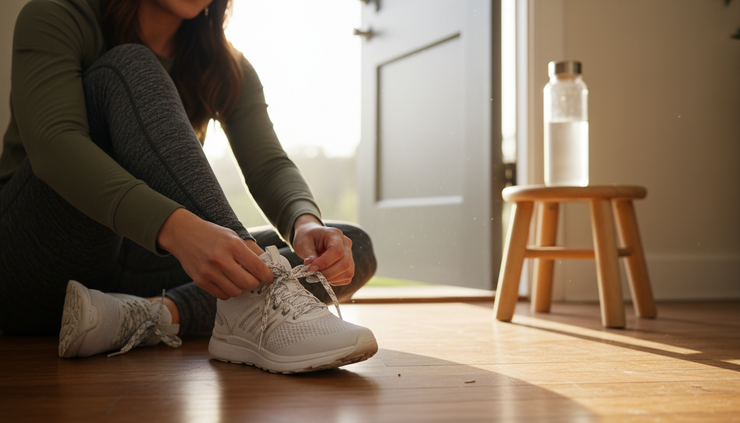
Independence is about more than being alone
Independence gets misunderstood.
It doesn’t mean rejecting love. It doesn’t mean doing everything alone. It doesn’t mean becoming hard, closed off, or unavailable.
Real independence means having choices.
That includes financial choices, emotional choices, health choices, and daily life choices. It means a woman can stay because she wants to, not because she has no exit. It means she can rest without asking permission. It means she can plan for her future instead of hoping someone else will protect it.
Financial independence is a huge part of this shift. More women are talking openly about debt, savings, investing, salary negotiation, divorce planning, caregiving costs, and retirement. These conversations used to feel private or intimidating. Now they’re part of modern self-care.
Money affects health. It affects safety. It affects where someone lives, what food they can buy, which doctor they can see, and how much stress they carry.
That’s why a budget can be a wellness tool. So can an emergency fund. So can understanding insurance. So can knowing what’s in a shared bank account.
Independence also shows up emotionally.
It looks like:
Not waiting for a relationship to start living
Traveling with friends, family, or solo
Choosing a smaller social circle with more trust
Ending friendships that run on guilt
Learning basic home, tech, or car skills
Asking for help without losing self-respect
Making long-term plans before life feels urgent
This is where women empowerment becomes real in daily life. It’s not just a slogan. It’s a woman knowing her options, trusting her judgment, and building support that doesn’t require self-abandonment.
The biggest wellness trends in 2026 are deeply human
Some wellness trends 2026 conversations will focus on gadgets, apps, wearables, supplements, and personalized health data. Those tools can help. A sleep tracker might show patterns. A meditation app might make stress care easier. A telehealth appointment might remove a barrier. A fitness watch might nudge more movement.
But the deeper shift is human.
Women are asking for wellness that fits real life, not fantasy life.
That means less obsession with “clean” perfection and more attention to daily support.
Nervous system care is becoming normal language
More people now talk about stress in terms of the nervous system. That doesn’t mean everyone needs to become an expert in biology. It means people are noticing how the body responds to pressure.
Racing thoughts, tight shoulders, shallow breathing, irritability, fatigue, and trouble sleeping can all be signs that life has been too much for too long.
Simple practices can help many people settle their bodies:
Slow breathing
Gentle walking
Stretching
Time outside
Less caffeine late in the day
Calming bedtime routines
Fewer high-conflict conversations before sleep
These tools don’t fix every problem. They can create a little more room inside the day.
Strength training is moving to the center
For years, women were pushed toward workouts built around shrinking. Burn calories. Get smaller. Earn food.
That message is losing power.
Strength training is gaining attention because it supports muscle, bone health, balance, daily function, and confidence. The National Institute on Aging has long highlighted strength exercises as part of healthy aging. That message matters for women of every age, not just later life.
The best part is that strength work doesn’t require a fancy gym. Resistance bands, bodyweight moves, dumbbells, or guided beginner classes can all help.
The goal isn’t to become someone else. It’s to feel more capable in your own body.
Mental health care is less hidden
Therapy, coaching, support groups, medication, mindfulness, and honest conversations about anxiety or depression have become more common. Stigma still exists, but it has less control than it used to.
The U.S. Surgeon General has warned about loneliness and social disconnection as public health concerns. That matters here. Women choosing themselves aren’t always choosing solitude. Many are choosing better connection.
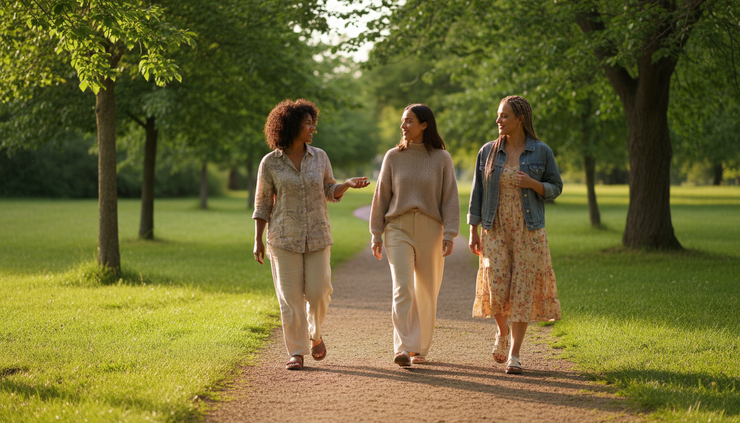
A healthier life often includes people who listen, tell the truth kindly, and don’t require performance.
Boundaries are becoming a life skill
Boundaries can sound cold until you realize they’re what make healthy closeness possible.
A boundary is not a threat. It’s information. It tells people what works, what doesn’t, and what will happen next.
For many women, this takes practice. A lot of girls are taught to be agreeable, helpful, pleasant, and easy to love. Those traits can turn into adult patterns that feel exhausting.
The 2026 version of confidence includes fewer automatic yeses.
That might sound like:
“I’m not available that day.”
“I need to think before I answer.”
“Please don’t comment on my body.”
“I’m not discussing this while we’re both upset.”
“I can help for one hour, but I can’t take over.”
“That doesn’t work for my budget.”
Short sentences are useful. They reduce the urge to over-explain. They also make the boundary easier to remember when emotions rise.
The hard part is tolerating discomfort. Some people will be disappointed. Some will push back. Some will act like a boundary is rejection.
That doesn’t mean the boundary is wrong.
Choosing yourself often means letting other people have their reactions without rushing to fix them. That’s a serious confidence skill.
Beauty and wellness are getting more personal
The old wellness ideal was narrow. It was young, thin, wealthy, able-bodied, usually white, and often unrealistic.
The new era has more room.
Women are blending cultural traditions, modern science, personal style, and practical limits. One person’s wellness might include Pilates, therapy, hormone care, and meal prep. Another’s might include prayer, walking, herbal tea, community meals, and caregiving support. Another’s might include medication, mobility aids, rest, and a great lipstick.
A wider view is better because real life is wide.
Beauty is changing too. More women are open about cosmetic procedures, skin care, gray hair, textured hair, body hair, weight changes, scars, stretch marks, and aging. Not every choice has to carry a manifesto. A woman can do Botox or skip it. She can wear shapewear or never touch it. She can post a bare face or love a full glam routine.
The key question is whether the choice feels free.
If a routine brings joy, comfort, or expression, great. If it comes from fear, shame, or pressure, it may be time to pause.
That pause is powerful.
Ask:
Do I actually like this?
Is this helping my health or draining it?
Am I spending money I don’t have to meet a standard I don’t believe in?
Would I still choose this if no one saw it?
Does this make me feel more at home in my life?
Those questions cut through a lot of noise.

Choosing yourself also changes relationships
When women change, relationships change with them.
That can be beautiful. It can also be messy.
A woman who starts choosing herself may stop being the automatic planner, fixer, reminder, emotional sponge, or unpaid therapist. She may ask for shared labor at home. She may refuse last-minute demands. She may name resentment instead of swallowing it.
Healthy relationships can survive that. They may even get better.
Unhealthy relationships often depend on one person staying small, silent, or endlessly available. When that changes, tension shows up.
That’s not a reason to avoid growth. It’s a reason to move with clarity.
Choosing yourself in relationships can look like:
Asking for help before burnout hits
Naming needs without apologizing for having them
Leaving space for mutual care
Accepting love that feels steady, not chaotic
Refusing to confuse intensity with safety
Letting people earn trust through behavior
This applies to romantic relationships, family, friendships, and community. The goal is not a life without responsibility. The goal is a life where responsibility doesn’t erase personhood.
Love should not require disappearance.
The takeaway for 2026 is simple
Women are choosing themselves because the old model didn’t work.
Being endlessly available didn’t make life easier. Ignoring symptoms didn’t create health. Shrinking didn’t create confidence. Depending on external approval didn’t create peace. Waiting for permission didn’t create independence.
The new era is more grounded.
It says health is allowed to matter before crisis. It says confidence can be quiet. It says money is part of safety. It says aging is not a failure. It says connection should feel mutual. It says self-care is not selfish when it keeps a person whole.
Choosing yourself doesn’t have to be dramatic. Start with the next honest choice.
Book the appointment. Take the walk. Check the account. Have the conversation. Go to bed. Drink the water. Say no without a speech. Say yes because you mean it.
That’s what independence can look like in real life. Not loud. Not perfect. Just yours.


Comments