AI Beauty Trends 2026 How Technology Is Transforming Women’s Wellness and Self Care
The beauty aisle used to ask shoppers to guess. Guess the right foundation shade. Guess whether a serum would suit sensitive skin. Guess if a wellness habit was helping or just adding another step to an already full day.
AI is changing that. In 2026, beauty and wellness are becoming more personal, more data-aware, and far less dependent on trial and error. Women are using virtual try-ons before buying lipstick, skin analysis tools before choosing products, wearable data before changing routines, and smart mirrors before stepping out the door.
That does not mean every app deserves trust. The best AI beauty trends are useful because they make choices clearer, not because they add more noise. The real shift is simple: technology is moving beauty from broad promises to more tailored support.

AI is changing how women discover and shop for beauty
Beauty shopping has always been emotional and practical at the same time. A lipstick shade can feel expressive. A moisturizer has to fit real skin needs. A fragrance can be tied to memory. AI now sits between inspiration and purchase, helping narrow the gap between what looks good online and what works in real life.
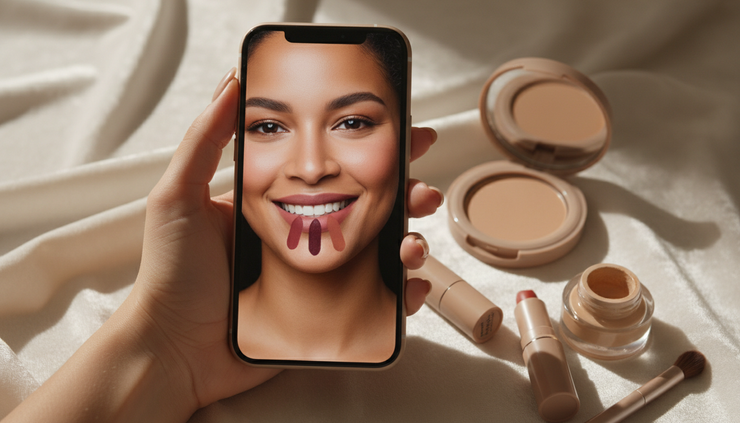
The most visible example is virtual try-on. Camera-based tools can show how lipstick, blush, eyeshadow, hair color, or glasses may look on a face before buying. These tools are not perfect, especially with lighting and undertones, but they reduce some of the uncertainty that comes with online shopping.
AI-powered shade matching is also improving. Instead of comparing a wrist swatch under store lighting, shoppers can upload images, answer questions about undertone and finish, and receive closer foundation or concealer suggestions. A good tool looks beyond “light,” “medium,” or “deep.” It considers undertone, skin behavior, desired coverage, and finish.
Product discovery is becoming more personal too. Many beauty retailers now use recommendation systems that learn from:
Past purchases
Browsing patterns
Skin type quizzes
Color preferences
Climate and seasonal changes
Price range
Ingredient likes and dislikes
That creates a more guided shopping trip. Someone with dry skin who prefers fragrance-free formulas should not have to sort through hundreds of products manually. Someone who wants low-maintenance makeup should not get the same recommendations as someone who loves a full glam routine.
The risk is that recommendations can become too narrow. If a system only shows what it thinks a shopper already likes, discovery gets smaller. The best beauty technology should combine personalization with surprise, so users still find new textures, colors, brands, and routines.
Skin care is becoming more responsive and less one size fits all
Skin changes. Stress, sleep, weather, hormones, travel, medication, and age can all affect how skin looks and feels. One reason AI is gaining traction in skin care is that it can respond to change faster than a fixed routine can.
At-home skin scanning tools use phone cameras or smart mirrors to look at visible features such as texture, redness, tone, pores, shine, fine lines, or dark spots. These tools do not replace a dermatologist, and they should not diagnose conditions. They can still help track surface-level changes and encourage more thoughtful product use.
A smart skin care tool might notice that skin looks drier than usual and suggest using a richer moisturizer at night. It might recommend pausing a strong exfoliant if irritation appears. It might remind someone to use sunscreen more consistently when UV levels are high.
That kind of support matters because many people overdo skin care. AI can be useful when it helps simplify, not just sell more. In 2026, one of the strongest beauty trends 2026 points toward fewer random steps and more routine awareness.
A practical AI-supported routine might look like this:
Beauty need | How AI can help | What still needs human judgment |
Foundation matching | Suggests shades based on undertone and lighting | Testing wear, oxidation, and comfort |
Skin tracking | Compares visible changes over time | Deciding when to see a dermatologist |
Product selection | Filters ingredients and textures | Knowing personal sensitivities |
Routine planning | Suggests when to use actives or hydration | Listening to how skin feels |
Sun care reminders | Uses weather or UV data for prompts | Applying enough product correctly |
The best use of AI in skin care is pattern recognition. It can help notice changes that are easy to miss day by day. A single scan does not mean much. A month of consistent tracking can show whether a routine is calming irritation, causing dryness, or improving balance.
Still, there is a clear line. Apps cannot inspect moles safely, confirm acne causes, diagnose rosacea, or treat eczema. Any tool that presents itself as a medical authority deserves caution. Skin health is health, not just appearance. AI can support observation, but professional care is still the right step for persistent, painful, changing, or concerning skin issues.
AI wellness is making self care more personal
Beauty and wellness keep moving closer together. Sleep affects skin. Stress can affect breakouts. Nutrition can influence energy. Movement can shape posture, mood, and circulation. AI wellness tools are growing because they connect these patterns in ways a notebook or memory alone often cannot.
Wearables already track sleep, heart rate, cycle patterns, activity, and recovery signals. Apps can pair that data with mood check-ins, hydration reminders, meditation, breathwork, or fitness plans. In 2026, these systems are becoming more conversational and more adaptive.
A wellness app might suggest a lighter workout after poor sleep. A cycle tracking app might help someone notice when energy tends to dip. A meditation app might adjust session length based on stress check-ins. A smart water bottle might remind someone to drink more on a hot day. These are small nudges, but small nudges often shape habits better than dramatic makeovers.
For beauty, this means “glow” is being treated less like a product promise and more like a lifestyle signal. That can be helpful when it points to rest, hydration, gentle movement, and consistency. It becomes harmful when it turns every body signal into something to fix.
Self care should not feel like surveillance. The goal is support, not pressure. A wearable score should not ruin a morning. A sleep app should not create anxiety about sleeping. A wellness tool should add ease, not another reason to feel behind.
This is where thoughtful design matters. The best tools give context and choices. They explain that data is an estimate. They avoid shame-based language. They let users turn off reminders. They protect sensitive information.
Health-related AI should be treated as informational only. Apps and devices can help track habits and general patterns, but they cannot replace medical advice, diagnosis, or treatment.

Beauty devices are bringing high tech routines home
Salon and spa treatments are not disappearing, but at-home beauty devices are becoming more advanced. AI is adding guidance to tools that were once simple gadgets.
Smart hair tools can adjust heat based on hair type or moisture levels. Some devices aim to reduce heat damage by changing temperature as they move through the hair. LED masks, cleansing devices, microcurrent tools, and facial massagers now often come with apps that guide timing, placement, and routine frequency.
The appeal is clear. A device that tells someone how long to use it, when to stop, and how often to repeat the routine feels easier than guessing. AI can also personalize reminders based on use history, which helps with consistency.
Still, home devices need realistic expectations. A smart tool can improve a routine, but it will not erase the need for basics. Gentle cleansing, sunscreen, enough sleep, and skin barrier care still matter. For hair, heat protection, regular trims, and choosing products for texture and scalp needs still matter.
Consumers should look for beauty devices that are:
Clear about what they do
Easy to clean
Safe for the intended skin or hair type
Backed by understandable instructions
Honest about limits
Comfortable enough to use regularly
The future is not a bathroom full of devices. It is a more selective approach. A smart mirror may be useful for one person. A heat-adjusting styling tool may be useful for another. Someone else may prefer no devices at all and use AI only for shopping or ingredient research.
Good self care leaves room for preference.
Trust, privacy, and bias will define the next phase
The more personal beauty tech becomes, the more trust matters. AI tools often ask for face scans, skin photos, wellness data, purchase history, location, age range, and sometimes cycle or sleep information. That data can be sensitive.
Before using an AI beauty or wellness tool, it is worth asking simple questions:
What data does it collect?
Can images be deleted?
Is the data shared with other companies?
Does the tool explain why it made a recommendation?
Can users opt out of tracking?
Does it work well across different skin tones, ages, hair textures, and face shapes?
Bias is one of the biggest issues in AI beauty. If a system was trained mostly on lighter skin tones, it may perform poorly on deeper skin tones. If it does not include textured hair, mature skin, acne-prone skin, hyperpigmentation, or facial differences, it will give weaker results to many people.
This matters because beauty tech can influence what people buy and how they feel about themselves. A poor shade match is annoying. A skin analysis tool that misreads darker skin or flags normal features as flaws can be damaging.
The strongest brands in this space will be the ones that treat inclusion as a product requirement, not a message. They will test across diverse users, explain tool limits, and allow feedback when recommendations miss the mark.
Transparency will become part of the beauty experience. Shoppers are getting more comfortable with AI, but they still want control. They want tools that help them decide, not tools that decide for them.

What the 2026 beauty routine may look like
The 2026 beauty routine will likely feel more flexible than futuristic. It will not require every person to use smart mirrors, wearables, or AI shopping assistants. Instead, AI will quietly sit inside tools people already use.
A morning routine might begin with a weather-based sunscreen reminder. A smart mirror might flag dryness and suggest skipping exfoliation. A shopping app might recommend a refill before a favorite product runs out. A wearable might suggest a slower workout after a restless night. A virtual try-on might make it easier to choose a lipstick for the weekend without ordering five shades.
The most useful AI beauty trends will share a few qualities:
They save time without rushing the ritual.
They personalize without making people feel boxed in.
They support wellness without turning health into a score.
They include diverse skin tones, ages, features, and hair types.
They protect data and explain choices.
They encourage better decisions, not endless buying.
Beauty has always blended art, habit, identity, and care. AI adds a new layer, but it should not remove the human part. The final choice still belongs to the person looking in the mirror.
The best version of beauty technology in 2026 is not colder or more complicated. It is calmer, smarter, and more honest. It helps women shop with less guesswork, care for skin with more awareness, and build wellness routines that feel supportive instead of demanding.


Comments