Honey Deuce in 2026 What Is It How Much Does It Cost and Why Is It So Popular
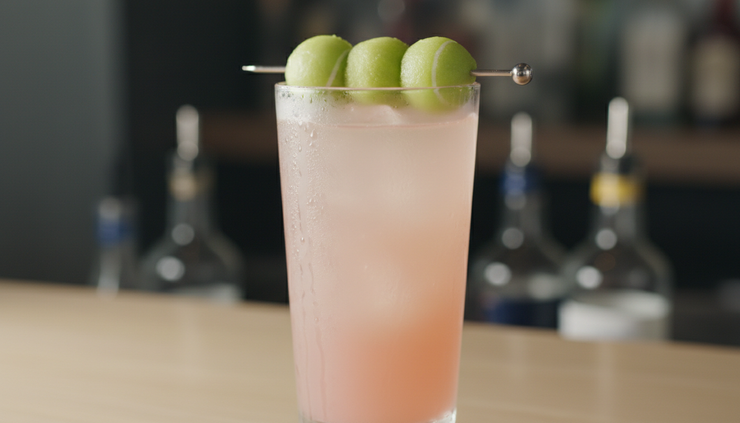
A pink cocktail with three melon balls became one of the most recognizable drinks in American sports. That is the strange charm of the Honey Deuce: it looks playful, tastes easy, and carries just enough tennis culture to make people ask for it by name.
The drink has been tied closely to the US Open for years, where fans sip it from souvenir cups while watching late-summer tennis in New York. By 2026, its fame has moved well beyond stadium bars. Home bartenders, restaurant menus, watch parties, and cocktail TikTok have all helped turn it into a modern classic for people who want something bright, cold, and low-fuss.
So what is a Honey Deuce, how much does it cost, and why does raspberry liqueur make such a difference? Let’s break it down.
What is a Honey Deuce?
A Honey Deuce is a vodka lemonade cocktail finished with raspberry liqueur and garnished with honeydew melon balls. It is best known as the signature cocktail of the US Open tennis tournament.
The name is a clever tennis pun. “Deuce” is the tied score in a tennis game, while “honey” nods to the honeydew garnish. The melon balls look like miniature tennis balls floating above the glass, which makes the drink instantly recognizable even before the first sip.
At its core, the Honey Deuce is simple:
Vodka
Lemonade
Raspberry liqueur
Honeydew melon balls
Ice
The official version is famously associated with Grey Goose vodka, and many home recipes use that as the starting point. Still, the structure works with any clean, smooth vodka. The drink’s appeal comes from balance. Vodka gives it body, lemonade gives it tart freshness, raspberry liqueur adds color and berry depth, and the honeydew garnish turns it into a visual signature.
It is not a fussy cocktail. There is no smoke, no obscure bitter, no stirring glass, and no garnish that requires tweezers. That is a major reason it keeps spreading. A Honey Deuce feels special, but anyone can make one.
The flavor lands somewhere between spiked lemonade, berry spritz, and fruit-forward patio drink. It is sweet, but not syrupy when made well. It is tart enough to stay refreshing. It looks festive without trying too hard.
Why the Honey Deuce is so popular in 2026
Some cocktails become famous because bartenders love them. Others become famous because they attach themselves to a place, a season, or a ritual. The Honey Deuce has all three.
The drink belongs to late summer. It fits hot afternoons, outdoor screens, tennis whites, and the start of September in New York. Even people who do not follow tennis closely can understand the appeal of a cold pink drink with little melon “tennis balls” on top.
By 2026, several forces are keeping it popular.
It has a strong visual hook.
The honeydew balls do a lot of work. They make the drink memorable, easy to photograph, and simple to recognize across a crowded bar. In a world full of pale cocktails in clear glasses, three green melon balls stand out.
It has a sports tradition behind it.
The Honey Deuce is not just a random pink drink. Fans connect it with the US Open, long matches, celebrity sightings, and the feeling of being at a major event. Souvenir cups have become part of the ritual, with some fans collecting them year after year.
It is easy to recreate at home.
Unlike a Ramos Gin Fizz or a clarified milk punch, the Honey Deuce does not ask for advanced technique. If a home bartender can fill a glass with ice and pour lemonade, the drink is within reach.
It fits the lighter cocktail mood.
Many drinkers in 2026 are looking for cocktails that taste fresh and approachable rather than heavy and spirit-forward. The Honey Deuce checks that box. It reads as bright, fruit-forward, and social.
It is flexible.
A bartender can make it more tart, more bubbly, less sweet, or lower in alcohol without losing the idea of the drink. That makes it easy to adapt for restaurants, parties, and batch service.
The Honey Deuce proves that a cocktail does not need to be complicated to become iconic. It needs a good story, a clear flavor, and one detail people remember.

How much does a Honey Deuce cost?
The answer depends on where you order it. A Honey Deuce at a major sporting event costs much more than one made at home, mostly because stadium pricing includes venue markups, staffing, branded cups, and the event experience.
Recent US Open prices have been widely reported in the low-to-mid $20 range per drink. For 2026, the exact official price can vary by venue, tournament menu, cup format, and local service fees. A safe expectation for a stadium or major event version is about $20 to $30 per cocktail.
At restaurants and bars, pricing depends on the city and the vodka used. A typical bar version may land somewhere around the price of other premium vodka cocktails.
At home, the cost drops sharply. Once the bottle of vodka and raspberry liqueur are on hand, each drink usually costs only a few dollars in ingredients.
Setting | Typical 2026 cost expectation | Why it costs that much |
Major sporting event | About $20 to $30 | Venue pricing, branded presentation, souvenir cup, event demand |
Cocktail bar or restaurant | About $14 to $22 | Premium vodka, labor, location, house lemonade |
Home version | About $3 to $6 per drink | Ingredient cost only, lower if batching |
The home cost changes based on choices. Fresh lemonade costs more than bottled. Premium vodka costs more than a value bottle. Chambord or another high-end raspberry liqueur costs more than a budget brand, but a small pour goes a long way.
If making Honey Deuces for a party, the best value move is to batch the vodka and lemonade ahead of time, then add raspberry liqueur and garnishes as each glass is served. That keeps the drink fresh without slowing down service.
Ingredients and steps for making a Honey Deuce
The classic build is simple and forgiving. The only real trick is keeping everything cold. Warm lemonade and room-temperature vodka make the drink taste flatter and sweeter than it should.
Classic Honey Deuce ingredients
For one drink:
1 1/4 ounces vodka
3 ounces chilled lemonade
1/2 ounce raspberry liqueur
3 honeydew melon balls
Ice
Chambord is a common choice for the raspberry liqueur, but it is not the only option. Any quality raspberry liqueur can work as long as it adds berry flavor without tasting harsh or artificial.
For the lemonade, fresh is excellent, but not required. A good store-bought lemonade works well for casual serving. If the lemonade is very sweet, add a squeeze of fresh lemon juice to sharpen it.
Simple preparation steps
Fill a chilled highball or rocks glass with ice.
Add the vodka.
Pour in the lemonade.
Stir briefly to chill and combine.
Slowly pour the raspberry liqueur over the top.
Garnish with three honeydew melon balls on a cocktail pick.
That slow pour of raspberry liqueur gives the drink its pretty blush color. Some bartenders stir it in fully. Others let it sink and swirl slightly, which creates a more dramatic look. Both methods taste good.
For the garnish, use a melon baller to scoop firm honeydew. Chill the melon balls before serving. If the melon is soft or overly ripe, the garnish can look messy and lose its tennis-ball shape.
A pitcher version for parties
For eight drinks:
10 ounces vodka
24 ounces chilled lemonade
4 ounces raspberry liqueur
24 honeydew melon balls
Ice for serving
Mix the vodka and lemonade in a pitcher and keep it cold. Pour over ice, then add 1/2 ounce raspberry liqueur to each glass. Garnish right before serving.
This version works well for tennis finals, backyard dinners, brunches, and summer holidays. It also lets guests see the raspberry liqueur float into the lemonade, which is part of the fun.

Why raspberry liqueur makes the drink work
Raspberry liqueur is the quiet star of the Honey Deuce. Without it, the drink is mostly vodka lemonade with a clever garnish. With it, the cocktail gets color, aroma, and a richer fruit note that makes the first sip more interesting.
The liqueur does four key things.
It adds color.
The Honey Deuce’s pink hue comes from the raspberry liqueur. That color is part of the drink’s identity. It looks refreshing before it even reaches the table.
It rounds out the lemon.
Lemonade can be sharp, especially if it is fresh and tart. Raspberry liqueur softens that edge with berry sweetness.
It brings aroma.
A good raspberry liqueur has a jammy, floral scent. Since smell shapes flavor, that aroma makes the cocktail taste more layered.
It creates contrast with the honeydew.
Honeydew is mild and cool. Raspberry is bright and tangy. Together, they make the garnish feel connected to the drink rather than decorative.
The key is restraint. Too much raspberry liqueur can make the cocktail sticky. Too little gets lost under the lemonade. Around half an ounce per drink is the sweet spot for most recipes.
For a drier version, use tart lemonade and a light hand with the liqueur. For a dessert-like version, use a richer raspberry liqueur and sweet lemonade. For sparkle, top the drink with a splash of club soda or lemon seltzer.
Creative ways to serve a Honey Deuce
The classic version is already charming, but small changes can make it fit different occasions. The goal is to keep the drink recognizable while adding a fresh twist.
Make it sparkling
Build the drink with vodka, raspberry liqueur, and half the lemonade. Top with club soda or sparkling lemonade. This version tastes lighter and works well for daytime serving.
Freeze the melon balls
Scoop honeydew ahead of time and freeze the balls on a tray. Use them as edible ice cubes. They help keep the drink cold and look sharp in the glass.
Add a fresh herb
A small slapped mint leaf or basil leaf can make the drink feel more garden-fresh. Do not overdo it. The herb should support the raspberry and lemon, not take over.
Try a berry skewer
Add one raspberry between the honeydew balls on the garnish pick. It looks polished and hints at the liqueur inside the drink.
Serve it as a zero-proof style drink
For a non-alcoholic version, skip the vodka and raspberry liqueur. Use lemonade, raspberry syrup or raspberry puree, and sparkling water. Garnish with the same honeydew balls so the drink keeps the Honey Deuce look.
Build a Honey Deuce bar
For a party, set out:
A pitcher of vodka lemonade
Raspberry liqueur
Raspberry syrup for alcohol-free drinks
Chilled honeydew balls
Lemon wheels
Mint
Sparkling water
Plenty of ice
Guests can choose classic, sparkling, sweeter, tarter, or zero-proof. The setup feels festive without requiring a bartender all night.

The takeaway on the Honey Deuce in 2026
The Honey Deuce keeps rising because it has the rare mix of flavor, story, and visual charm. It answers the basic cocktail question quickly: yes, it tastes good. Then it adds something extra: a tennis reference, a souvenir-cup memory, and a garnish people remember.
A stadium Honey Deuce in 2026 will likely remain a premium-priced event drink, often around the same range as other major-venue cocktails. At home, it is far more affordable and surprisingly easy to make.
The best version is cold, balanced, and not too sweet. Use good lemonade, pour the raspberry liqueur with care, and do not skip the honeydew. Those three melon balls are more than decoration. They are the wink that turns vodka lemonade into a modern sports cocktail icon.


Kitchen reno can use a contrasting countertop on the island to create a distinctive focal point within the room.