Coffee Syrups Are Tripling Since 2020 What Flavors Are Driving the Trend
Coffee syrup has moved from coffee-shop extra to kitchen staple. Since 2020, interest in coffee syrups has roughly tripled, driven by at-home iced drinks, flavored lattes, and a new appetite for dessert-style coffee.
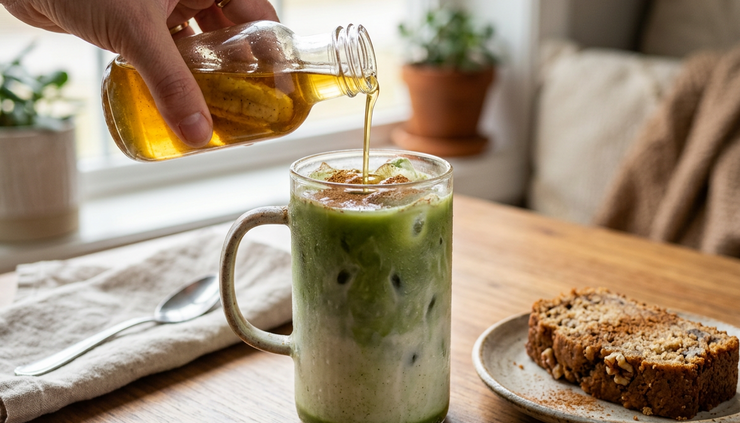
The biggest change is not just more vanilla and caramel. Drinkers are searching for flavors that sound like bakery orders, smoothie bar specials, and café mashups. One clear sign: search interest for “iced banana bread matcha” rose by 1,850% this year.
That kind of jump says a lot. Coffee and café drinks are getting more playful. Syrups are the easiest way to join in.

Coffee syrups grew because home coffee got serious
The syrup boom did not come from one flavor. It came from a change in habits.
In 2020, many people started making more coffee at home. Basic drip coffee gave way to cold brew jars, espresso machines, milk frothers, and flavored creamers. Once the tools were there, syrup became the next easy upgrade.
A bottle of syrup can change a drink in seconds. No baking. No blending. No waiting. That matters.
Syrups also work across coffee styles:
Iced lattes
Cold brew
Hot cappuccinos
Shaken espresso
Matcha lattes
Protein coffee
Affogato-style desserts
Coffee mocktails
The growth also fits with how coffee shops train taste. Seasonal drinks made people expect rotation. Pumpkin spice taught the market that limited-time flavors create excitement. Brown sugar shaken espresso made syrup texture and depth part of the order. Lavender, pistachio, toasted marshmallow, and banana pushed the menu further.
Now the same thinking has moved home.
A plain latte is still popular. But many people want a drink that feels like a treat, a recipe, and a small daily ritual. Syrup delivers all three.
Coffee syrups are no longer just sweeteners. They are flavor shortcuts for café-style drinks.
That shift explains why coffee syrups are tripling since 2020 in search interest. People are not only buying syrups. They are looking up how to use them, which flavors pair well, and what recipes can copy a coffee shop drink at home.
The flavors driving the trend are more specific now
Classic syrups still matter. Vanilla, caramel, hazelnut, mocha, and peppermint remain the foundation. They work because they are familiar and flexible.
The growth today is coming from more specific flavors.
Think beyond “sweet.” Think baked, toasted, spiced, creamy, fruity, and salty.
Popular flavor directions include:
Flavor style | Examples | Why it works |
Bakery | Banana bread, cinnamon roll, maple donut | Feels warm and nostalgic |
Brown sugar | Brown sugar, molasses, toasted sugar | Adds depth, not just sweetness |
Nutty | Pistachio, almond, hazelnut praline | Pairs well with espresso |
Floral | Lavender, rose, orange blossom | Works in iced drinks and matcha |
Fruit | Banana, strawberry, peach, raspberry | Adds brightness to milk drinks |
Dessert | Tiramisu, crème brûlée, toasted marshmallow | Makes coffee feel like a treat |
Spiced | Chai, cardamom, gingerbread | Adds aroma and seasonal appeal |
The strongest new flavors often act like full recipes. “Banana” is one note. “Banana bread” suggests banana, cinnamon, brown sugar, butter, and toasted edges. That gives people a clearer picture of the drink before they make it.
This is why “iced banana bread matcha” can spike by 1,850%. It is not only a flavor. It is a complete idea. It tells you the temperature, base drink, flavor mood, and texture.
The same logic explains drinks like:
Strawberry shortcake iced latte
Brown sugar cinnamon cold brew
Pistachio cream iced coffee
Maple oat milk shaken espresso
Toasted coconut mocha
Salted caramel banana latte
These names do a lot of work. They make the drink easy to imagine. Syrup makes it easy to build.
Banana syrup is the rising flavor while brown sugar is the reliable favorite
The comparison between `banana syrup for coffee` and `brown sugar syrup for coffee` shows two sides of the syrup trend.
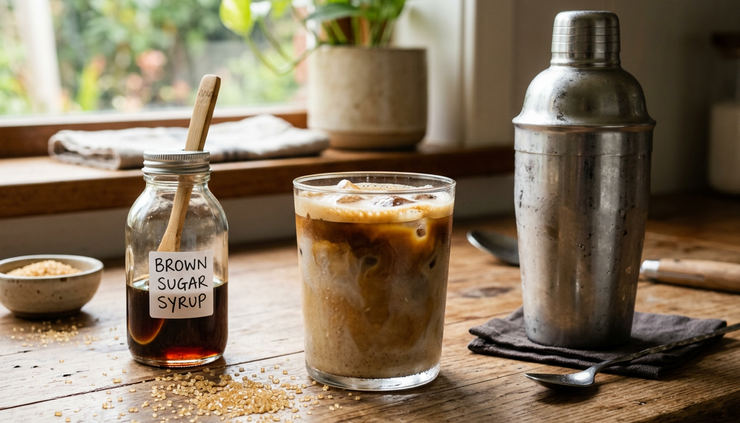
Brown sugar syrup has broader demand. It has had more time to build awareness through coffee shop drinks, especially shaken espresso and oat milk lattes. It also feels safer. Brown sugar tastes close to caramel, molasses, and toasted sugar. It adds richness without making the drink feel too unusual.
Banana syrup is different. It is more niche, but more exciting. It can read as playful, tropical, nostalgic, or dessert-like. It also pairs well with ingredients that already belong in coffee drinks.
Banana syrup works with:
Chocolate
Cinnamon
Brown sugar
Vanilla
Peanut butter flavor
Oat milk
Cold brew
Matcha
Espresso
Brown sugar syrup works with almost everything. That makes it a daily flavor. Banana syrup works best when the drink has a clear theme. That makes it a discovery flavor.
Here is the practical difference.
Search term | Demand profile | Best use |
`brown sugar syrup for coffee` | Strong, steady, and mainstream | Everyday iced lattes, shaken espresso, cold brew |
`banana syrup for coffee` | Smaller but rising and more novelty-driven | Dessert drinks, matcha mashups, chocolate coffee drinks |
Brown sugar wins on routine. Banana wins on curiosity.
That matters for drink menus and home coffee bars. A brown sugar syrup bottle will likely get used often. Banana syrup may spark more recipe searches, more experimentation, and more social sharing among friends and family.
The smartest move is to use both together.
A banana brown sugar latte tastes fuller than a plain banana latte. Brown sugar gives the drink a toasted base. Banana adds aroma and dessert flavor. Add cinnamon, and the drink moves toward banana bread.
Use this simple ratio:
1 tablespoon brown sugar syrup
1 teaspoon banana syrup
2 shots espresso
6 to 8 ounces milk
Ice, if serving cold
Shake the espresso and syrups together first. Then add milk. This helps the syrup blend and gives the drink a café-style texture.
How to use flavored syrups without making coffee too sweet
A syrup drink can go wrong fast. Too much syrup flattens the coffee. The best drinks balance sweetness, bitterness, dairy or alt milk, and aroma.
Start small. Most drinks need less syrup than expected.
For a 12-ounce drink, try:
Drink type | Syrup amount to start |
Hot latte | 1 tablespoon |
Iced latte | 1 to 1 1/2 tablespoons |
Cold brew | 2 teaspoons to 1 tablespoon |
Shaken espresso | 1 tablespoon |
Matcha latte | 2 teaspoons to 1 tablespoon |
Mocha-style drink | 2 teaspoons, plus chocolate |
Then adjust.
Cold drinks often need a bit more syrup because cold dulls flavor. Hot drinks smell stronger, so they can taste flavorful with less.
Pair sweet syrups with stronger coffee
Banana, caramel, vanilla, and marshmallow need enough coffee flavor to stand up to them. Espresso works well. So does cold brew concentrate.
If the drink tastes like flavored milk, the coffee base is too weak. Use less milk or a stronger brew.
Add salt to dessert flavors
A tiny pinch of salt can improve syrup drinks. It cuts sweetness and makes flavors taste rounder.
This works especially well with:
Brown sugar
Caramel
Banana
Chocolate
Maple
Pistachio
Use a very small pinch. The drink should not taste salty.
Use spice instead of more syrup
If a banana latte tastes too soft, do not add more banana syrup first. Add cinnamon or nutmeg. If brown sugar tastes flat, add a little vanilla or cardamom.
Spice adds aroma without extra sweetness.
Match milk to flavor
Milk choice changes the drink.
Oat milk works well with brown sugar, banana, cinnamon, maple, and cookie flavors. Whole milk gives dessert syrups more body. Almond milk pairs well with vanilla, mocha, and pistachio. Coconut milk can make banana or chocolate drinks taste more tropical.
Matcha also changes the equation. Its grassy flavor loves vanilla, strawberry, banana, lavender, and brown sugar. That is one reason the iced banana bread matcha idea took off. Banana softens matcha. Brown sugar gives it depth. Cinnamon makes it taste baked.
Creative coffee syrup ideas worth trying
The best syrup drinks start with a simple structure. Pick a base, pick one main flavor, add one supporting flavor, then choose hot, iced, or shaken.
Use these ideas as starting points.
Brown sugar banana shaken espresso
This drink hits the trend directly. It combines the mainstream pull of brown sugar with the rising interest in banana.
Use:
2 shots espresso
1 tablespoon brown sugar syrup
1 teaspoon banana syrup
Ice
Oat milk
Pinch of cinnamon
Shake the espresso, syrups, cinnamon, and ice for 10 seconds. Pour into a glass. Top with oat milk.
It tastes like toasted banana bread with a coffee edge.
Iced banana bread matcha
This one explains why unique flavor searches can rise so fast. It sounds different, but the flavors make sense.
Use:
1 teaspoon banana syrup
1 teaspoon brown sugar syrup
1/4 teaspoon cinnamon
2 ounces water mixed with matcha
6 ounces oat milk
Ice
Stir the syrups into the milk first. Add ice. Pour matcha over the top.
For a creamier version, shake the milk and syrups before adding the matcha.
Brown sugar cold foam cold brew
Brown sugar syrup shines in cold brew because it adds a caramel-like finish.
Use:
Cold brew over ice
1 tablespoon brown sugar syrup
Splash of milk or oat milk
Cold foam with a little vanilla
Add the syrup to the cold brew first. Stir well. Top with foam.
A pinch of cinnamon on top makes it feel more finished.
Banana mocha iced latte
Banana and chocolate are a strong pair. Coffee adds bitterness, which keeps the drink from tasting like a milkshake.
Use:
1 shot espresso
1 teaspoon banana syrup
1 teaspoon chocolate syrup
6 ounces milk
Ice
Shake the espresso and syrups first. Add milk and ice. Serve cold.
For a stronger version, use two shots.
Vanilla brown sugar hot latte
This is the reliable choice. It works for morning coffee, afternoon coffee, and colder weather.
Use:
1 shot espresso
2 teaspoons brown sugar syrup
1 teaspoon vanilla syrup
Steamed milk
Tiny pinch of salt
The salt is optional, but it helps the brown sugar taste less sharp.

What the syrup trend says about coffee now
The rise of coffee syrup points to a bigger shift. Coffee is still about caffeine and craft, but it is also about customization. People want drinks that fit mood, weather, season, and craving.
That is why both brown sugar and banana can grow at the same time.
Brown sugar feeds the need for comfort. It is familiar, rich, and easy to use. Banana feeds the need for novelty. It turns a drink into something more memorable. Pair them, and the result feels current without getting strange.
The next wave of syrups will likely get even more recipe-driven. Expect more bakery flavors, more fruit and tea pairings, and more syrups built for iced drinks. Matcha will keep pulling in flavors that once belonged to smoothies and desserts. Cold brew will keep favoring toasted, nutty, and brown sugar notes.
For home coffee, the best approach is simple. Keep one everyday syrup and one fun syrup. Use brown sugar, vanilla, or caramel as the daily bottle. Use banana, pistachio, lavender, or toasted marshmallow when the drink needs a twist.
Start with less syrup. Build around one clear flavor. Add salt or spice before adding more sweetness.
Coffee syrup took off because it makes better drinks easy. The flavors driving the trend prove the point. A spoonful of syrup can turn coffee into brown sugar espresso, banana bread matcha, or a cold brew that tastes like dessert without much effort.


Comments