Harnessing the Circular Economy: Upcycling Strategies for Small B2B Businesses
- Mar 29
- 4 min read
The traditional linear economy, where products are made, used, and discarded, is no longer sustainable. Small B2B businesses face increasing pressure to reduce waste and improve resource efficiency. One practical approach is adopting circular economy principles, especially through upcycling. This strategy not only reduces environmental impact but also creates new business opportunities and strengthens relationships with other companies.
This post explores how small B2B businesses can use upcycling to embrace the circular economy. It covers the benefits, practical steps, and real-world examples to help you start or improve your upcycling efforts.

Upcycling industrial materials into new products in a small business workshop
Understanding the Circular Economy and Upcycling
The circular economy aims to keep resources in use for as long as possible, extracting maximum value before recovering and regenerating products at the end of their life. Unlike recycling, which breaks materials down to raw form, upcycling transforms waste or by-products into higher-value items without losing quality.
For small B2B businesses, this means:
Reducing raw material costs by using existing resources
Minimizing waste disposal fees and environmental impact
Creating unique products or components that add value to clients
Building stronger partnerships through shared sustainability goals
Upcycling fits naturally into many industries, from manufacturing and construction to packaging and office supplies. It encourages creativity and innovation while supporting a more sustainable supply chain.
Practical Upcycling Strategies for Small B2B Businesses
1. Identify Waste Streams and By-products
Start by mapping your business’s waste streams. Look for materials that are discarded but still have potential value. Examples include:
Scrap metal or wood from manufacturing
Packaging materials like cardboard or pallets
Textile offcuts or damaged products
Electronic components or cables
Engage your team to gather ideas on what can be reused or transformed. Sometimes, waste from one process can become raw material for another.
2. Collaborate with Other Businesses
Small B2B companies can benefit from partnerships where one company’s waste becomes another’s resource. For example:
A furniture maker using leftover wood from a construction company
A packaging supplier repurposing excess cardboard from a retailer
An electronics repair shop refurbishing discarded parts for resale
These collaborations reduce waste for all parties and open new revenue streams.
3. Develop Upcycled Products or Components
Once you identify usable materials, design products or components that meet your clients’ needs. This could mean:
Creating custom packaging from recycled materials
Manufacturing office furniture from reclaimed wood or metal
Producing promotional items using leftover textiles or plastics
Focus on quality and functionality to ensure your upcycled products compete well with conventional options.
4. Communicate Your Sustainability Efforts
Transparency builds trust. Share your upcycling initiatives with clients through:
Product labels highlighting recycled content
Case studies showing environmental benefits
Certifications or eco-labels where applicable
This can differentiate your business and attract clients who prioritize sustainability.

Assembling furniture components crafted from reclaimed materials
Benefits of Upcycling for Small B2B Businesses
Cost Savings
Using waste materials reduces the need to buy new raw materials. This lowers production costs and can improve profit margins. For example, a small packaging company reported a 20% reduction in material expenses after switching to upcycled cardboard sourced from local retailers.
Environmental Impact
Upcycling reduces landfill waste and lowers carbon emissions associated with producing new materials. This supports corporate social responsibility goals and helps meet regulatory requirements.
Innovation and Market Differentiation
Upcycled products often have unique designs and stories that appeal to clients. This can open new markets or strengthen existing relationships. For instance, a small manufacturer of office furniture gained new contracts by offering eco-friendly lines made from reclaimed materials.
Strengthened Business Networks
Collaborating on upcycling projects fosters closer ties with suppliers and customers. These partnerships can lead to further opportunities and shared sustainability goals.
Overcoming Challenges in Upcycling
Small businesses may face obstacles such as:
Sourcing consistent quality materials: Establish reliable supply chains with partners who share your commitment.
Design and production adjustments: Invest in training or hire experts to develop upcycled products that meet standards.
Customer perception: Educate clients on the benefits and quality of upcycled products to build confidence.
Regulatory compliance: Ensure your products meet safety and industry regulations.
Planning and communication are key to overcoming these challenges.
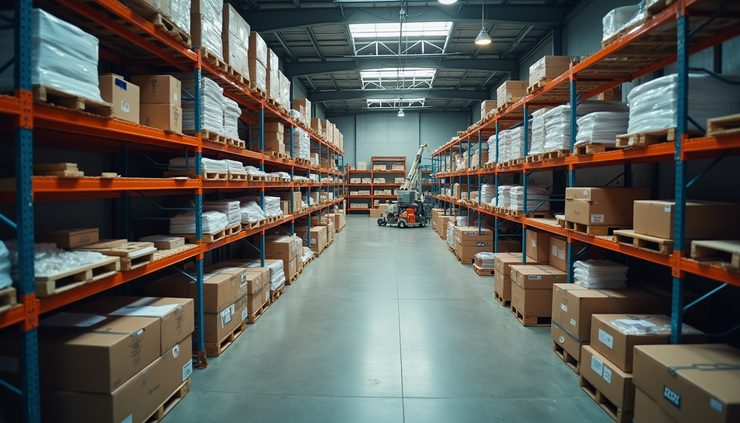
Warehouse with organized recyclable materials prepared for upcycling processes
Steps to Start Upcycling in Your Small B2B Business
Conduct a waste audit to identify materials suitable for upcycling.
Research market demand for upcycled products or components.
Build partnerships with other businesses for material exchange.
Design prototypes and test product quality.
Train staff on new processes and quality control.
Launch pilot projects and gather client feedback.
Promote your upcycling efforts through marketing and client communication.
Measure impact on costs, waste reduction, and client satisfaction.
Starting small and scaling gradually helps manage risks and build expertise.
Upcycling offers small B2B businesses a practical way to embrace the circular economy. By turning waste into valuable products, companies can reduce costs, improve sustainability, and create new business opportunities. The key is to identify usable materials, collaborate with partners, and focus on quality and client communication.


Comments